

 Uncategorized
If you are traveling to Mongolia for the first time, you have likely been captivated by the images that precede your arrival — endless horizons, thundering horses, heroic warriors, and a culture seemingly untouched by time. You may have heard about the nation’s deep connection to meat, the reverence for nature, and the romantic ideal of nomadic life.
Yet beneath this picturesque narrative lies a more complex and often unseen reality.
Having worked in Mongolia’s tourism industry since 2009, and traveled across nearly every corner of this vast country, I have had the privilege of meeting countless herders, sharing their tea, listening to their stories, and witnessing both their resilience and their struggles. What follows is not a postcard version of Mongolia — but a grounded, human one.
Tourism, when done responsibly, plays a meaningful role in keeping Mongolia’s countryside alive. It provides rural herders with supplementary income, encourages visitors to engage with local communities, and creates economic reasons for families to remain on their ancestral lands rather than abandoning them for the city. In many ways, tourism has become a quiet partner to nomadic life.
For those unfamiliar with herding economics, a herder’s income follows the rhythm of the seasons. In spring, from March to May, families carefully comb cashmere from their goats — a delicate and labor-intensive process. The price of cashmere fluctuates each year, but typically ranges between 25 and 40 USD per kilogram. In autumn, around October and November, herders slaughter cattle and horses to sell meat to urban residents who stock up for the long winter. This seasonal cycle sustains both rural and urban Mongolia. Today, the country is home to more than 70 million livestock — far outnumbering its human population.
Still, life on the steppe is far from easy.
Even families with a thousand animals remain vulnerable to nature’s unpredictability. A single severe winter — known as a dzud — can erase years of hard work in a matter of months. Livestock is more than wealth; it is inheritance, identity, and the only asset many herders can pass down to their children.
Yet fewer young Mongolians are choosing this path.
Nomadic herding has gradually become more sedentary, and climate change has begun to reshape the land itself. Pastures recover more slowly, water sources shift, and environmental stress deepens. The impact is not only ecological — it is deeply social.
In 1960, when Mongolia began its urban transformation, over 90% of the population were nomads. Today, that figure has fallen to roughly 15%. This dramatic shift did not happen overnight, nor for a single reason — but the result is clear: a way of life that once defined Mongolia is steadily fading.
Among the most striking consequences of this transition is the growing number of single young male herders in rural areas.
Traditionally, livestock is passed down to sons. Often, one boy — usually the eldest or middle child — leaves school early to assist with herding and eventually inherit the family’s animals. By his twenties, he is a capable, hardworking herder. Yet many of these young men find themselves without a partner.
Why? Because daughters are typically encouraged to pursue education in towns and cities. Once they experience urban life — schools, careers, modern conveniences — few return to the isolation of rural herding. As a result, rural communities are increasingly populated by single men, while young women concentrate in urban centers.
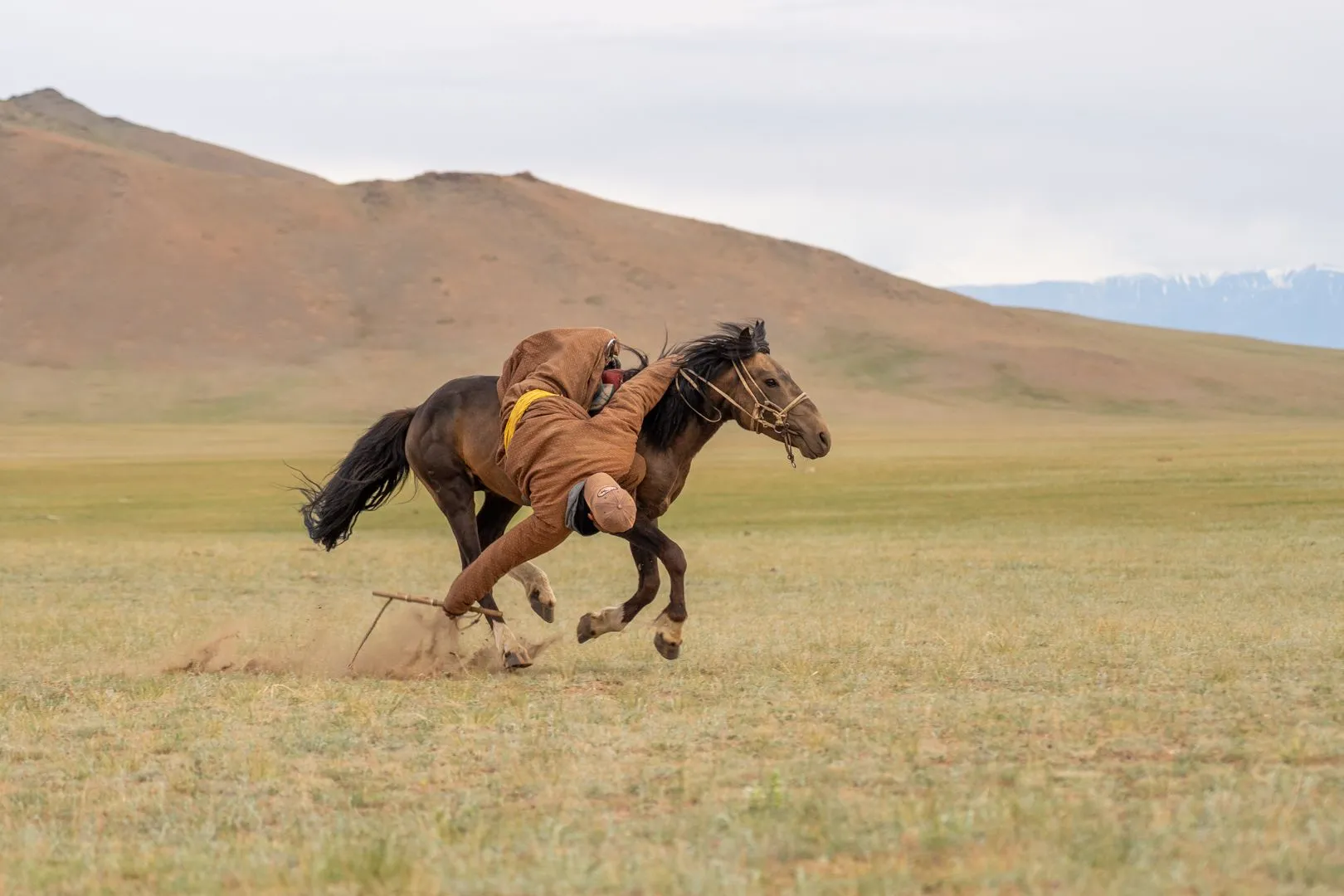
Interestingly, what often keeps these men tied to the countryside is not simply duty or tradition — but their profound bond with horses. In Mongolian culture, the horse is not just an animal; it is a symbol of freedom, spirit, and identity. Many young men invest their pride in training racehorses, hoping for victory that brings honor and personal “khiimor” — the Mongolian concept of spiritual energy or fortune, often translated as “Wind Horse.”
Meanwhile, national policies have unintentionally reshaped rural family life.
During the budget cuts of the late 1990s, many rural school dormitories were closed. At the same time, the school starting age was lowered to six — a decision that fit urban life but proved challenging in the countryside. Six-year-old children were often too young to live away from home, especially in Mongolia’s harsh climate.
As a result, mothers frequently moved to district centers or towns with their children so they could attend school, while fathers remained behind to tend the livestock. Over time, this separation placed strain on marriages, leading to rising family fragmentation in rural areas.
This serves as a powerful reminder: even well-intentioned education policies can have unintended social consequences if they do not fully consider local realities.
Mongolia’s countryside is changing — not just in its landscape, but in its people, its families, and its future. Understanding this transformation is essential for anyone who truly wishes to know the Mongolia beyond the horizon.

Comments are closed